The Impact of Comedy on Society
Yemenat
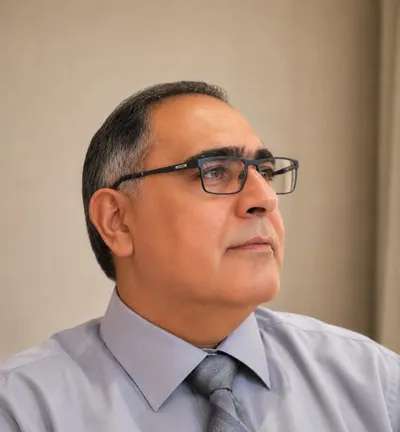
Adnan Al–Dosari | Iraqi Writer and Novelist
Theatre has never been merely a stage for laughter and entertainment. It has always been, and remains, a broad space for cultivating awareness and shaping the human psyche. Just as tragedy cultivates in us a sense of grandeur and fate, comedy can spark reflection on the contradictions and concerns of life.
Yet in recent years, the Arab theatrical scene has witnessed a worrying shift, with so-called “respectable” comedies increasingly relying on quick jokes and empty punchlines, with little depth or vision. This is not merely a matter of artistic weakness; it also extends to the impact such performances have on collective consciousness and the social fabric.
Psychology views laughter as a defense mechanism that helps people cope with the pressures of life. Freud, for example, described the “joke” as an outlet for the unconscious and a release for what has been repressed.
In sociology, Bakhtin pointed to collective laughter in festive settings as a liberating force capable of unsettling the authority of official discourse. But when laughter is reduced to nothing more than momentary amusement, without critical meaning or intellectual depth, it can become a collective anesthetic, reproducing oppression rather than resisting it. People laugh for a moment and then return to their reality unchanged, as though laughter were merely a temporary cover over a wound that never truly heals.
Critical Examples of Superficial Comedy
First: “Verbal Showmanship” Without Substance
Many contemporary comedy performances rely on humorous situations without offering any meaningful message. Some plays, for example, repeatedly make cheap jokes about marital relationships without presenting any genuine critical perspective on social issues. Instead, they rely on familiar stereotypes and ready-made images.
Such performances offer easy laughter, but they provoke neither questions nor reflection.
Second: Relying on the Actor’s Star Power Instead
ارسال الخبر الى: