Eid in Old Sana a A Joy Wrested from the Heart of Suffering
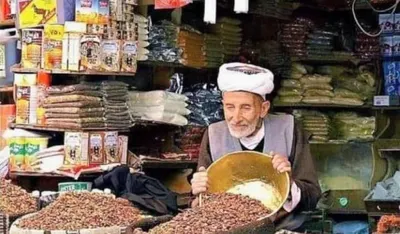
Yemenat
Mohammed Al-Mekhlafi
Abdullah Al-Qadhi, a resident of Old Sana’a, says, “In recent years, and this year in particular, Eid al-Fitr has become a heavy burden on families due to the harsh conditions the country is enduring and the prolonged suspension of salaries over many years.”
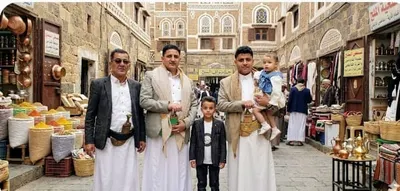
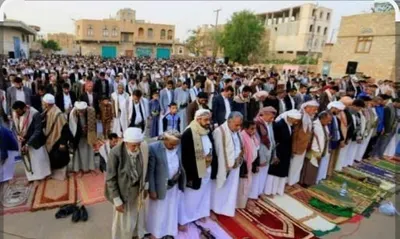
Eid al-Fitr in Yemen has its own distinct character, where the authenticity of Yemeni culture and its inherited traditions shines through. It is an occasion when relatives come together, greetings are exchanged, and people spend precious moments in the company of family and friends.
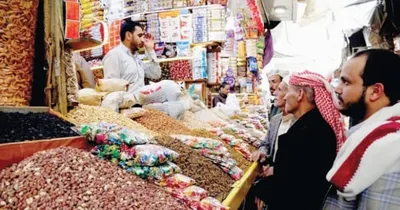
I remember how, before the war, we would prepare for Eid by buying new clothes even before Ramadan began. As the last ten days of Ramadan approached, we would carefully choose the jealah, the assortment of nuts and sweets set aside for the holiday.
When Eid finally arrived, the gardens would fill with our laughter, and sometimes we would venture beyond Sana’a to take in the breathtaking landscapes of Bani Matar, Al-Haymah, Al-Ahjur, and other regions. In some years, we even spent the Eid holiday on the shores of Aden or Al-Hudaydah.
Despite all this hardship, many families still strive to create an atmosphere of Eid with whatever means they have, preserving the spirit of the occasion within their homes so that children may still feel its joy.
In Old Sana’a, this devotion to Eid is especially evident. Despite scarce resources, its people hold fast to their traditions, traditions with a flavor all their own, almost like sacred rituals. In this way, every household feels that Eid has truly arrived, carrying its days in on a tide of quiet, enduring joy.
As the final days of Ramadan draw near, homes in Sana’a slip into a restless rhythm of preparation, with unceasing cleaning, the washing of linens, and the careful ordering
ارسال الخبر الى: